
 By
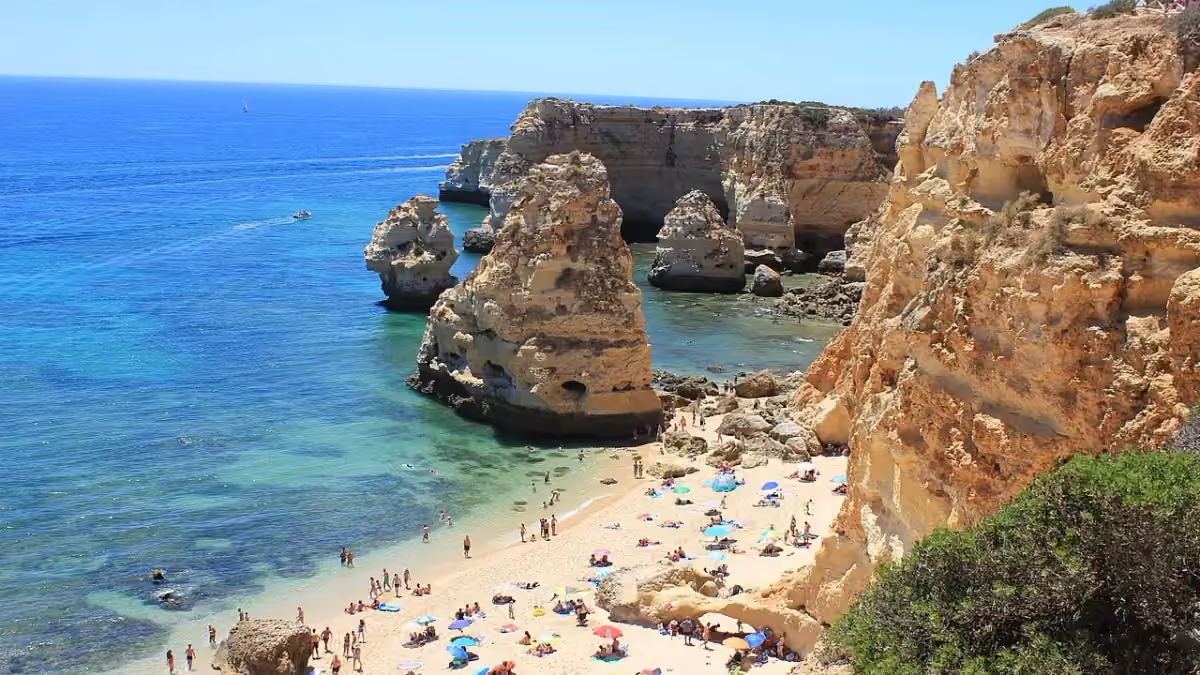
By September is a useful month for an Algarve trip that combines time on the sand with time on foot. Portugal’s tourism authority identifies September through June as the more pleasant period for walking and cycling, while the region’s beaches offer distinct choices: cliffs near Lagos, long eastern sands and islands beside the Ria Formosa. Choose the western or eastern coast according to the beach you want, then add walks that suit your pace. Visit Portugal’s walking guide and beach guide describe those differences.
Why September suits a mixed trip
Faro’s 1991–2020 climate averages put September’s daily high at 26.4°C (about 80°F), below August’s 29.2°C (about 85°F). September still averaged about 20 days with highs of at least 25°C (77°F). Those figures explain the month’s appeal for travelers who want warm beach weather and a chance to walk; they are regional historical averages, not a forecast for every stretch of coast. Portugal’s weather institute supplies the Faro figures.
The tradeoff is that September begins a wetter part of the year. The same Faro record shows an average of 21.5 mm of rain in September, compared with 3.0 mm in August, though it records only about two September days with at least 1 mm of rain. Plan for flexible beach and walking days rather than assuming uninterrupted sun. Travelers whose sole priority is the hottest, driest beach weather may prefer August; those who want both sand and longer outings have a strong reason to consider September. See the Faro climate normals.
.jpg)

Choose Lagos for cliffs and coves
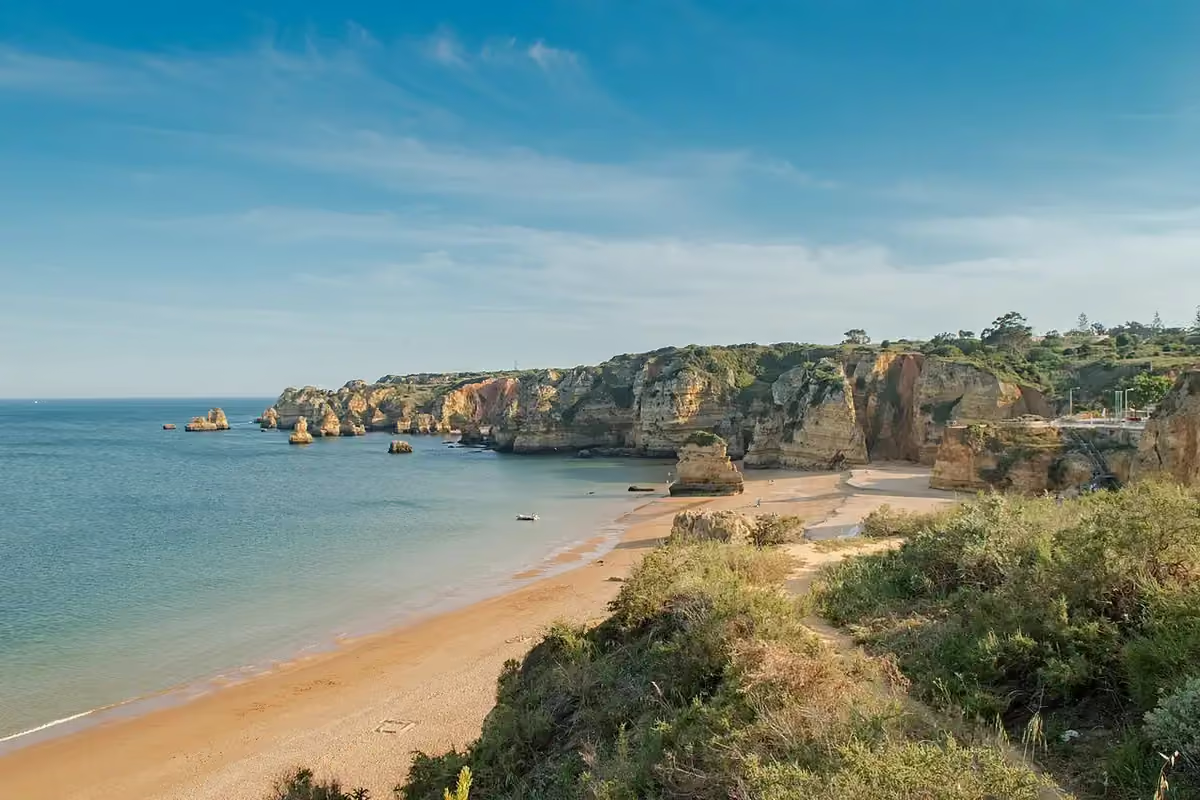
Around Lagos, beaches such as Praia Dona Ana and Praia do Camilo sit among the Algarve’s western cliff scenery. Nearby Ponta da Piedade adds a different view of the rock formations, including from boat trips around its caves and grottos. This is the coast to choose if dramatic shoreline scenery matters as much as a beach afternoon. Visit Portugal’s beach guide names these places and experiences.
Make room for walking, but choose the outing deliberately. Visit Portugal describes the western coast as steep, while its broader route network includes sections of varying difficulty. Its Fishermen’s Trail runs along the coast from Odeceixe toward Sagres and is for walkers; it need not become the centerpiece of a beach vacation. A shorter walk and time at a named beach may suit a relaxed trip better than committing to a long trail section. See the regional walking guide.
Pick the eastern sands for an easier beach focus
For broad stretches of sand and shallow water, look east to Manta Rota, Praia Verde or Monte Gordo. Visit Portugal describes this leeward side of the Algarve as calmer and warmer than the western coast, and highlights its appeal to families with children. These beaches make a sensible choice when swimming and unhurried shore time lead the trip. Explore the eastern beaches.
The eastern choice also changes the walking possibilities. Visit Portugal describes flatter routes beside the sea and around the Ria Formosa, in contrast with the steeper western coastline. The Ecovia do Litoral passes through towns and natural areas across the Algarve; some stretches are reserved for people traveling without motors, while others use roads and tracks shared with vehicles. Choose a section suited to your comfort with that mix rather than assuming the entire route is a separated path. See the walking and cycling guide.

Add the Ria Formosa for islands and wildlife
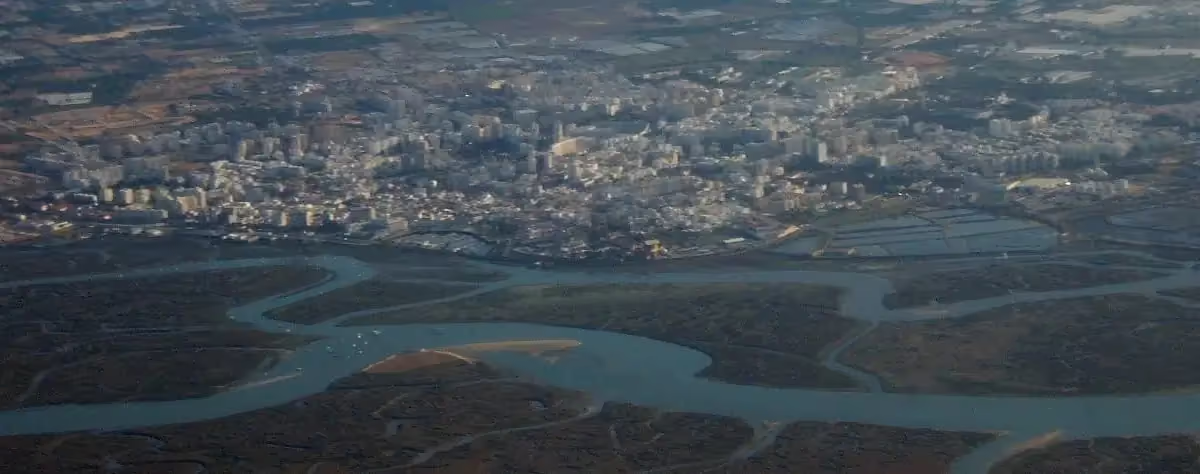
The Ria Formosa brings another kind of coastal day into a September vacation. This protected estuary stretches along the Algarve through canals, marshes, islands and sandy beaches. Visit Portugal identifies the Marim Environmental Education Centre as a starting point for learning about pedestrian trails and bird observatories. It is a worthwhile choice for travelers who want nature alongside their beach time. Read the Ria Formosa description.
For an island beach, account for the water crossing. Visit Portugal says visitors take a boat to reach barrier-island beaches such as Barreta; it also names Culatra, Armona, Fuseta and Tavira Island. That makes an island outing a distinct day choice, while the mainland beaches farther east offer a simpler sand-first alternative. Choose the island for the lagoon setting, and confirm the boat you intend to use before building the day around it. See the Algarve island and beach guide.
Match the month to the trip you want
A September plan can stay simple: choose Lagos for coves and cliff scenery, or choose the eastern coast for long beaches and gentler walking terrain. Add the Ria Formosa if islands, wetlands and birdlife sound more appealing than another cliff viewpoint. The region’s walking routes can enrich either choice without requiring a long-distance hike. Visit Portugal’s route guide sets out the terrain differences.
September’s case is strongest for someone who wants a beach vacation with more than beach time. Faro’s historical temperatures support warm days, and the tourism authority specifically favors this period for walking. Keep the rain possibility in mind and let the coast you choose shape the trip: western cliffs, eastern sands or a lagoon-and-island day. Faro’s climate normals provide the timing basis.