
 By
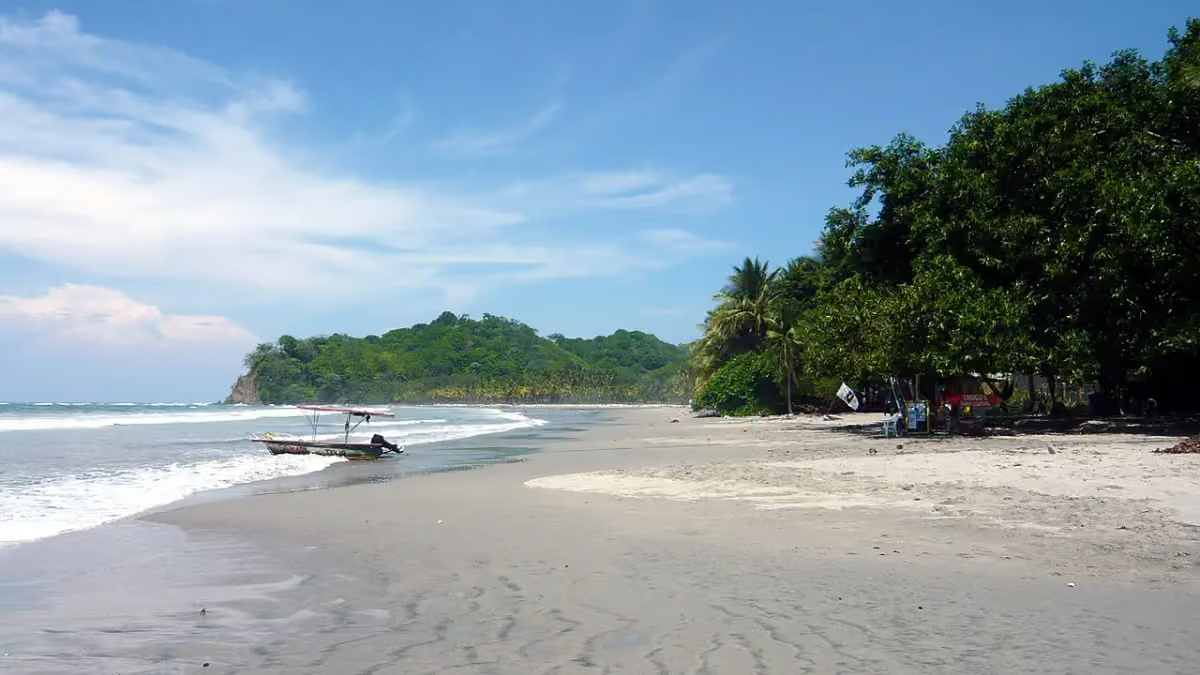
By February is a good time to build a Costa Rica vacation around Guanacaste’s Pacific beaches and a volcano walk. It falls in the Pacific dry season, and the tourism board recommends both beach time and volcanic trails in Guanacaste during this period. The simplest plan is to choose one beach town and add Rincón de la Vieja National Park. Add a separate stay near Arenal if its forest trails are a priority; that region follows a wetter weather pattern than the Pacific coast. Costa Rica’s climate guide explains the regional difference.
Why February works for a Pacific trip
Costa Rica’s Pacific side has a defined dry season from December through March, with April as a transition month. For February, the tourism board highlights beaches including Tamarindo, Playa Grande, Playa Conchal and Nosara, along with the volcanic trails of Rincón de la Vieja. That combination gives travelers a choice between days by the water and a change of scenery in Guanacaste’s volcanic highlands. See the tourism board’s seasonal activity guide.
The dry-season label applies less neatly to the north around La Fortuna. The Northern Plains receive rain throughout the year, although rainfall tends to ease in February, March and April. If Arenal is the reason for your trip, February remains a sensible month to consider, but pack for a forest outing rather than expecting every day to resemble a Guanacaste beach day. The Northern Plains climate guide describes that pattern.
Pick the beach town that suits your days
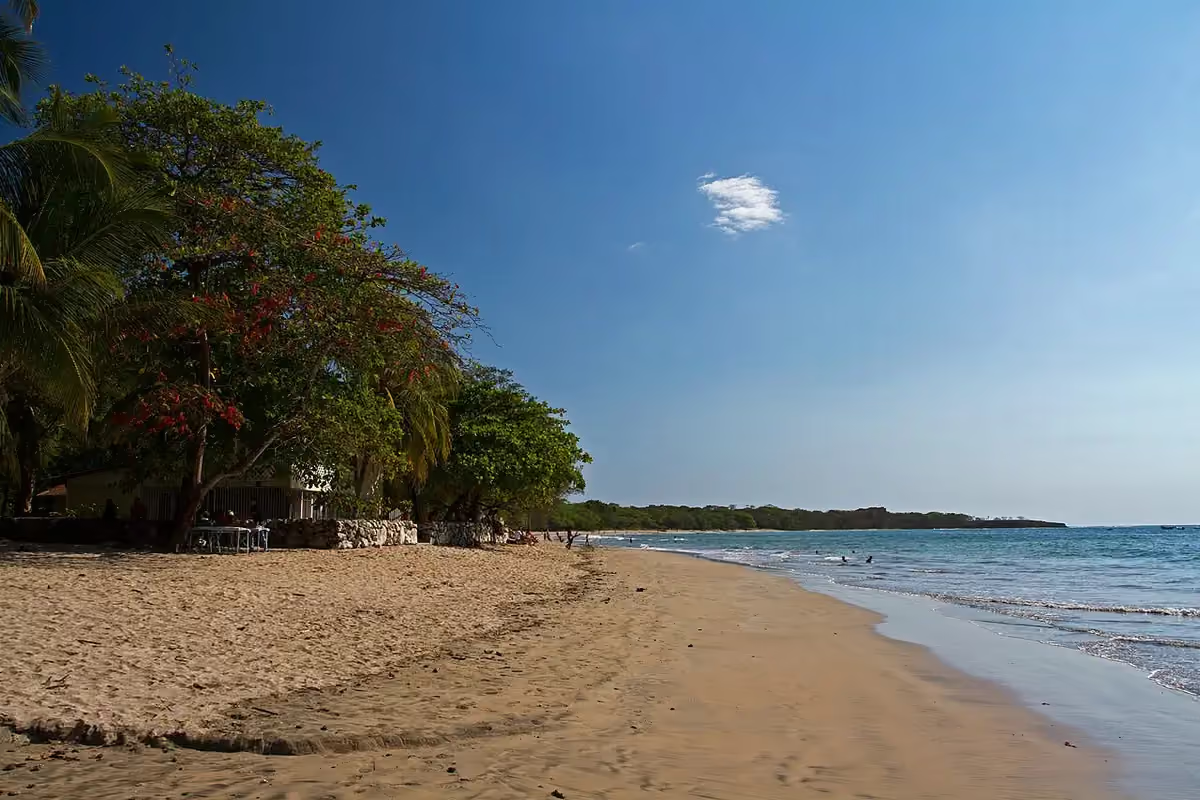


Tamarindo is the choice for a beach stay with plenty happening around it. Its bay includes an estuary and mangroves, while the town has a broad selection of restaurants and hotels and an active evening scene. Surfing is another reason to choose it. Travelers who want meals and activities close to their beach base may find that mix more useful than a quieter stretch of coast. Costa Rica’s Guanacaste guide describes Tamarindo.
Sámara offers a different kind of beach day: the tourism board describes a broad bay with gentler waves, plus a town offering water activities. Nosara and Guiones are alternatives for travelers drawn to stronger waves. Those distinctions make the beach choice more useful than simply picking the first available coastal room. Gentler waves do not guarantee safe swimming on a particular day, so use local conditions when deciding whether to enter the water. Compare the beach descriptions in the Guanacaste guide.
Walk among volcanic features in Guanacaste
For a volcano outing without making Arenal the center of the vacation, look at Rincón de la Vieja National Park. The tourism board recommends its volcanic and hot-springs trails during Guanacaste’s dry-season months. In the Las Pailas sector, trails lead toward fumaroles and mud features; the Santa María sector has a different network that includes a hot-springs trail. Choose the sector and walk you want before setting out, because they are distinct park areas. The park guide describes the two sectors.
Las Pailas is approached through Liberia and Curubandé, with a gravel-road section near the park. That access detail matters if you are imagining a quick walk straight from the sand: give the volcano its own outing and arrange transport suited to the approach. The park page lists different operating days for Las Pailas and Santa María, so choose your intended sector before fixing the day of your visit. See the park’s access and operating information.
Give Arenal its own place in the trip
.jpg)
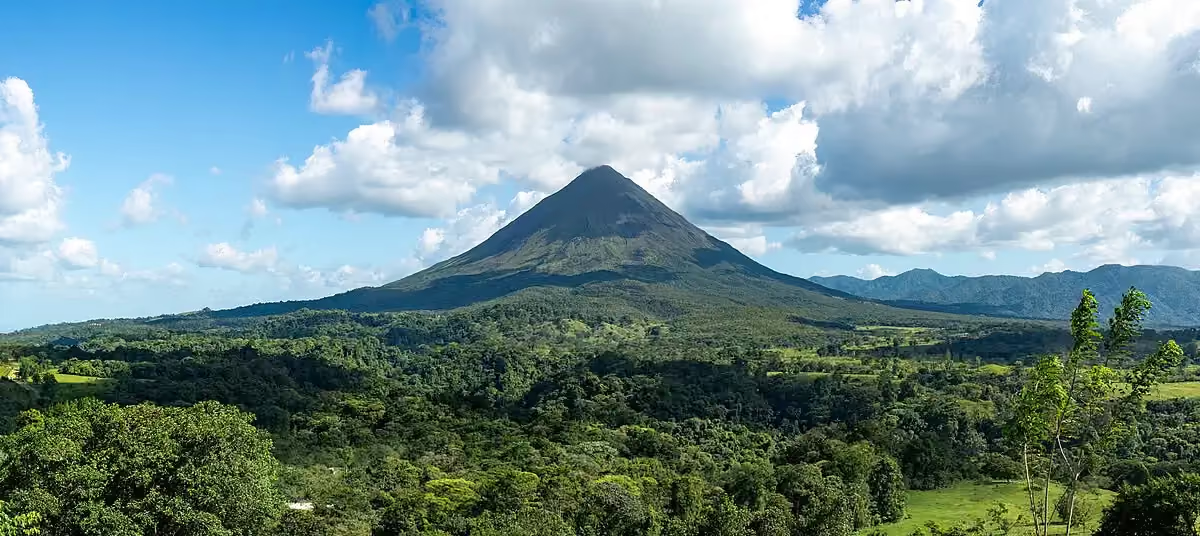
Arenal Volcano National Park suits travelers who want a longer forest-focused stay alongside their beach time. The park is about 15 kilometers from La Fortuna, and its named trails include Heliconias, Coladas, Tucanes and Los Miradores. They offer views of plants, wildlife habitat and remnants of lava flows. La Fortuna makes sense as a separate base for this part of the trip rather than treating Arenal as another Guanacaste beach excursion. The park’s visitor page describes its location and trails.
The Northern Plains seasonal guide also points to wildlife outings around Arenal and hot springs in the area during the December-to-April period. These give a La Fortuna stay more to do than a single volcano walk, even if clouds or rain change an outdoor plan. February can bring a relative break in rainfall here, but the region remains wet by Costa Rican standards. See the seasonal activities and Northern Plains climate guidance.
Decide how much of Costa Rica to include
For a trip led by beach time, choose Tamarindo for a lively town or Sámara for its gentler bay, then set aside a separate outing for Rincón de la Vieja’s volcanic landscape. If forest walks and wildlife matter as much as the coast, add La Fortuna and Arenal as a second base. These choices deliver different February experiences: a more defined Pacific dry season in Guanacaste and a wetter, greener Northern Plains setting around Arenal. The tourism board describes the regional climate patterns.
Travelers who prefer the rainy season’s activity mix can look beyond February: the tourism board lists different green-season possibilities in both regions, including hiking and zip lining in Rincón de la Vieja and birdwatching around Arenal. For a February escape, save the beach town first, then choose one volcano area or both according to how much of the vacation you want to devote to changing bases. Compare the board’s regional activity suggestions.