
 By
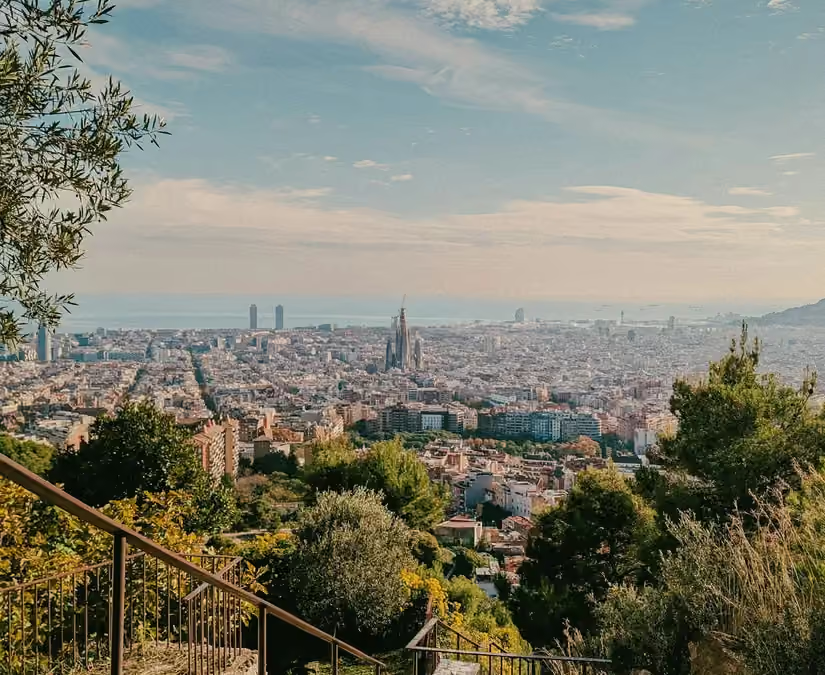
Barcelona rewards a first visit that makes room for several sides of the city. Start with the Gothic Quarter’s older streets, give Gaudí’s architecture its own time, then choose between the seafront and Montjuïc’s museums and gardens. That mix suits travelers who want a city break with history, art and time outdoors, without treating every landmark as an admission-ticket stop.
Explore the Gothic Quarter’s older streets
The Gothic Quarter is a useful starting point because Barcelona’s Roman and medieval past is still visible within its street pattern. Around Plaça de Sant Jaume are the City Hall and the Palau de la Generalitat; nearby, the Cathedral, smaller churches and narrow streets offer several directions for an unhurried walk. The city’s Gothic Quarter guide also points to traces of the Roman temple of Augustus and the old Jewish Quarter. Choose this area first if you would rather get a feel for the city on foot than begin inside a major attraction.
Make Plaça del Rei a deliberate stop instead of rushing through the lanes. Its former royal buildings sit above archaeological remains of Roman Barcino, bringing two periods of the city together in one place. Plaça de Sant Felip Neri, behind the Cathedral, offers a different, smaller square. Both give the walk a purpose, while leaving you free to follow streets that catch your eye; an interior visit to the archaeological remains is a separate choice, not a requirement for enjoying the quarter. Barcelona’s tourism authority describes both squares.
Give Barcelona’s modernist architecture time
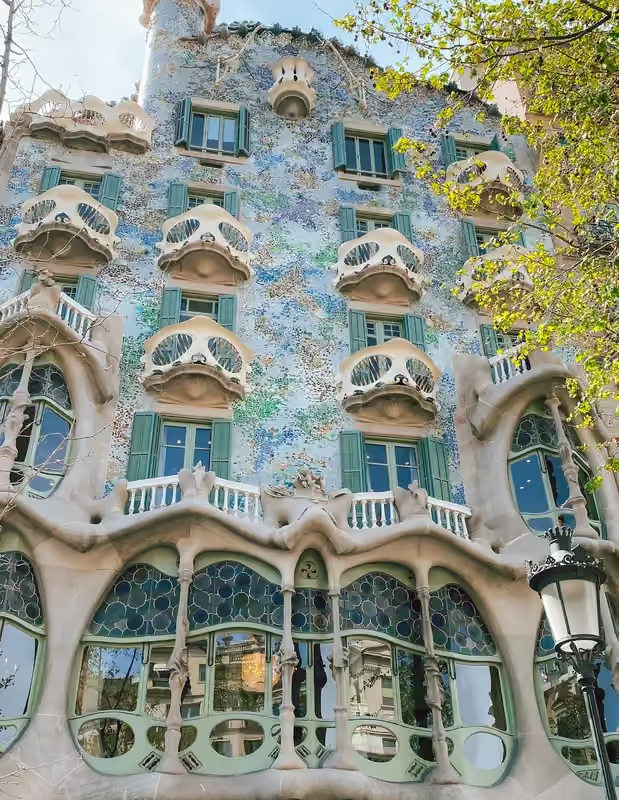
For a change of scale, head to the Eixample around Passeig de Gràcia. Its Quadrat d’Or has broad streets and modernist buildings with decorated façades, stained glass, ceramics and ironwork. Gaudí is one name here, alongside Puig i Cadafalch and Domènech i Montaner. Walking this area lets architecture-minded visitors see a range of buildings without committing the whole day to interiors. It is also a sensible area to consider as a base if this part of the city is your priority; the appeal is the architecture on your doorstep, not a claim about a particular hotel. The city tourism guide locates the district around Passeig de Gràcia.
Explore attraction tickets on TiqetsPaid link
If you want one scheduled architecture visit, make room for the Sagrada Família rather than assuming you can fit it in whenever you pass. The basilica says tickets are personal, require official photo identification and are valid for the selected time; late arrivals cannot enter on that ticket. It also says opening hours can change for special events. Give the visit a fixed place in your day, with unscheduled neighborhood wandering around it. The basilica’s visitor FAQ sets out those conditions.
Choose Park Güell for Gaudí and open-air views
Park Güell offers a different Gaudí experience: an outdoor visit combining monumental areas, green space and views over Barcelona. The standard self-guided visit covers those elements, making it a strong choice for travelers who would enjoy architecture in a park setting. It is especially worth considering if your trip needs a substantial outdoor stop rather than another building interior. The park’s official ticket guide describes what the visit includes.
Treat the park as a timed outing. Its ticket page says entry is tied to an assigned slot, with a 30-minute window after the printed time, and that visitors cannot re-enter once they leave. It also warns that conservation work can affect spaces. Travelers with reduced mobility should take particular care when deciding whether this is their Gaudí stop: the park’s official site notes steps and uneven paths that may make a complete visit difficult. The Eixample’s street-level architecture is an alternative way to spend more time with modernism.
Make room for the waterfront or Montjuïc
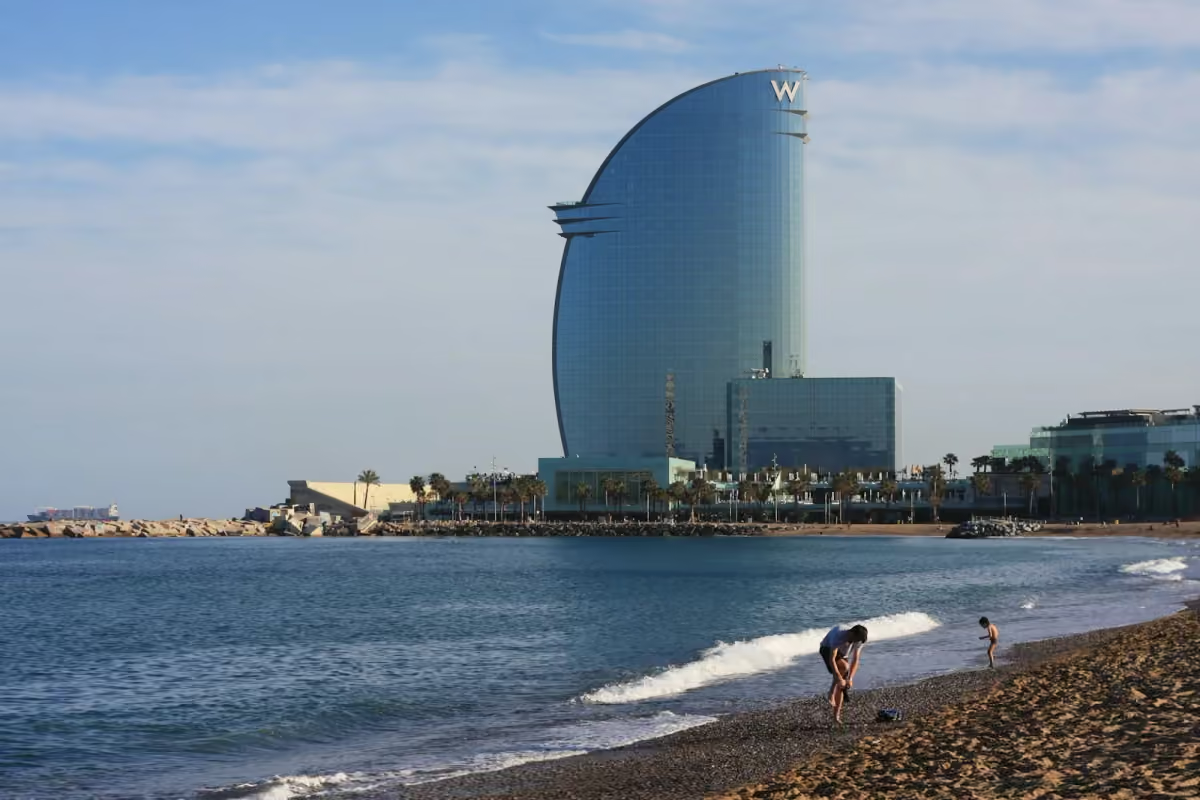
Barcelona’s seafront gives a first trip breathing space after the dense historic streets. A walk through Barceloneta connects the shore with the neighborhood’s fishing heritage; farther along, the coastal route passes beaches, parks and areas shaped by the city’s 1992 Olympic redevelopment. The tourism authority’s waterfront guide describes nearly five kilometers of beaches. Choose a shore walk for a flexible outing, and make swimming a seasonal decision rather than the reason the whole trip depends on good weather.
Montjuïc is the alternative for a fuller mix of green space and culture. The hill contains the Museu Nacional d’Art de Catalunya, other museums, gardens and the Olympic Ring. Its history also reaches across the 1929 International Exhibition and the 1992 Games. Pick one museum or garden as your anchor, then leave time to enjoy the hill itself; trying to cover every listed sight would turn a varied area into a checklist. Barcelona’s Montjuïc guide identifies the main choices. Museum entry and opening arrangements need their own check if a specific interior is essential to your visit.
Match the plan to your season and interests
For outdoor walking, spring and autumn can be appealing, though Barcelona’s climate guide says those are also its rainier seasons. Summer makes the beach a more tempting part of the trip but brings heat that can make long walks less comfortable. A useful response is to keep the Gothic Quarter, Eixample and one booked Gaudí visit as your core, then give the shore or Montjuïc the better weather window. These are seasonal tendencies, not a forecast for your dates.
Explore activities on KlookPaid link
If architecture is the main reason you are going, favor the Eixample, the Sagrada Família and Park Güell, using the Gothic Quarter for contrast. If you want a looser city break, spend more time in the historic streets and reserve a half day for either the waterfront or Montjuïc. Choose the seafront for an easy open-air change of pace; choose Montjuïc when museums and gardens sound more rewarding. That decision gives a first Barcelona trip variety without requiring every famous sight to fit into it.