
 By
A road trip that includes Yellowstone, Grand Teton and Glacier offers geysers, mountain scenery and a choice of walks and scenic drives. It also brings three separate entrance charges. For an eligible US resident traveling in one private vehicle, the currently listed standard fees total $105 for one visit to each park during Glacier’s summer-rate period. Buying the $80 America the Beautiful Resident Annual Pass instead avoids $25 in entrance fees. That is a calculation for this specific three-park plan, not a discount on the rest of the trip. Yellowstone fees, Grand Teton fees, Glacier fees, annual pass terms.
How the $25 saving works
Yellowstone and Grand Teton each list a $35 seven-day entrance fee for a private, noncommercial vehicle. Glacier lists the same $35 vehicle fee outside its November 1–April 30 winter-rate period. Three separate fees therefore add up to $35 + $35 + $35 = $105. The National Park Service lists the resident annual pass at $80 and says it covers one private-vehicle entrance fee at participating federal sites. On those stated terms, $105 − $80 = $25 avoided for the same vehicle and its passengers visiting all three parks while the pass is valid. Yellowstone fees, Grand Teton fees, Glacier fees, annual pass terms.
The three parks make a useful example because Yellowstone and Grand Teton each charge their own entrance fee, even when a traveler passes between them. Glacier adds a third distinct park visit rather than a second entry to the same park. The $25 comparison assumes one standard vehicle pass per park, one eligible resident annual pass bought at its stated $80 price, and visits within that pass’s one-year term. It does not imply that driving to Glacier is economical solely to collect a pass saving. Yellowstone fees, annual pass terms.
What makes the three visits worthwhile
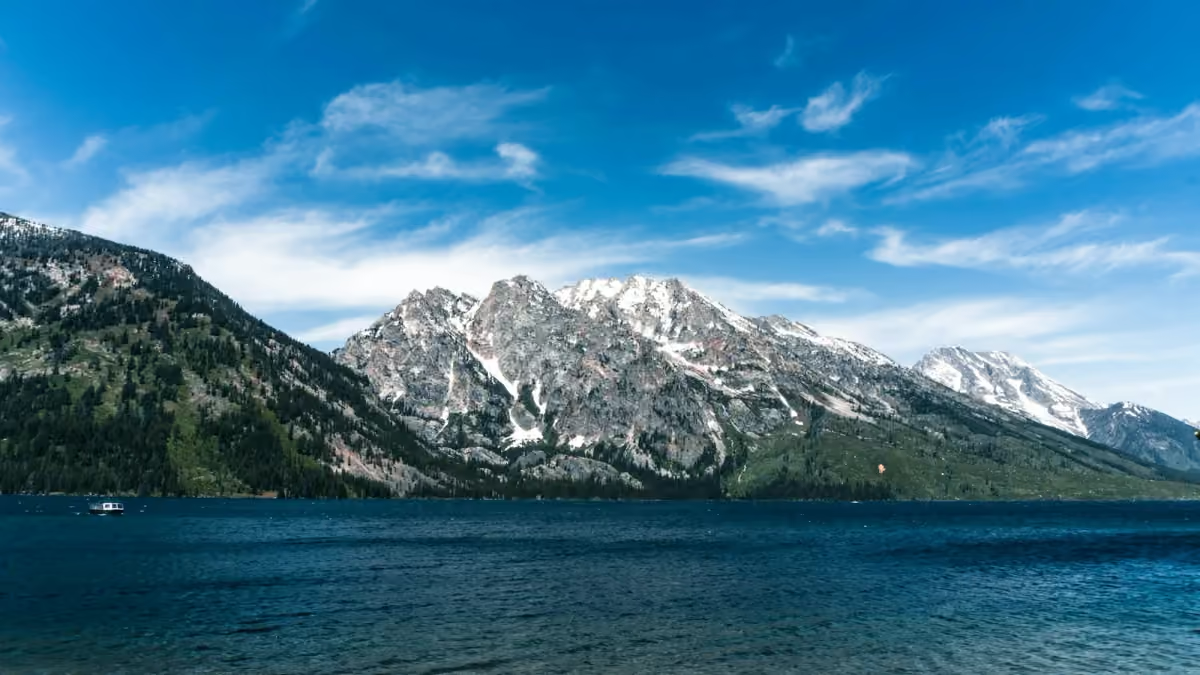
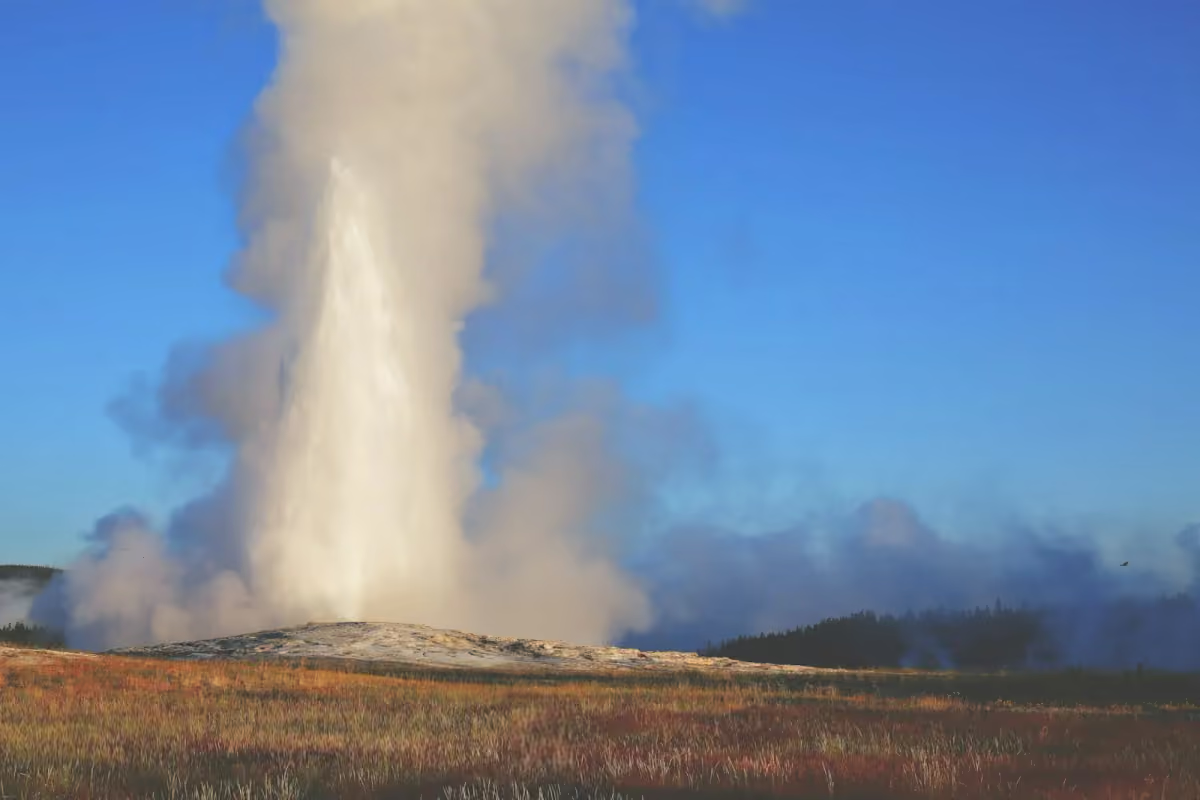
At Yellowstone, the Old Faithful viewing area and Upper Geyser Basin boardwalks give visitors a way to see the park’s thermal landscape without treating an eruption prediction as a fixed appointment. Nearby Midway Geyser Basin contains Grand Prismatic Spring. Grand Teton is a separate park with its own mountain-focused visit, so the shared regional trip has two distinct stops before a traveler considers Glacier. This is a park shortlist for someone who already wants a substantial nature trip, rather than a claim that all three can be comfortably squeezed into a short break. Old Faithful, Grand Teton fees and access.
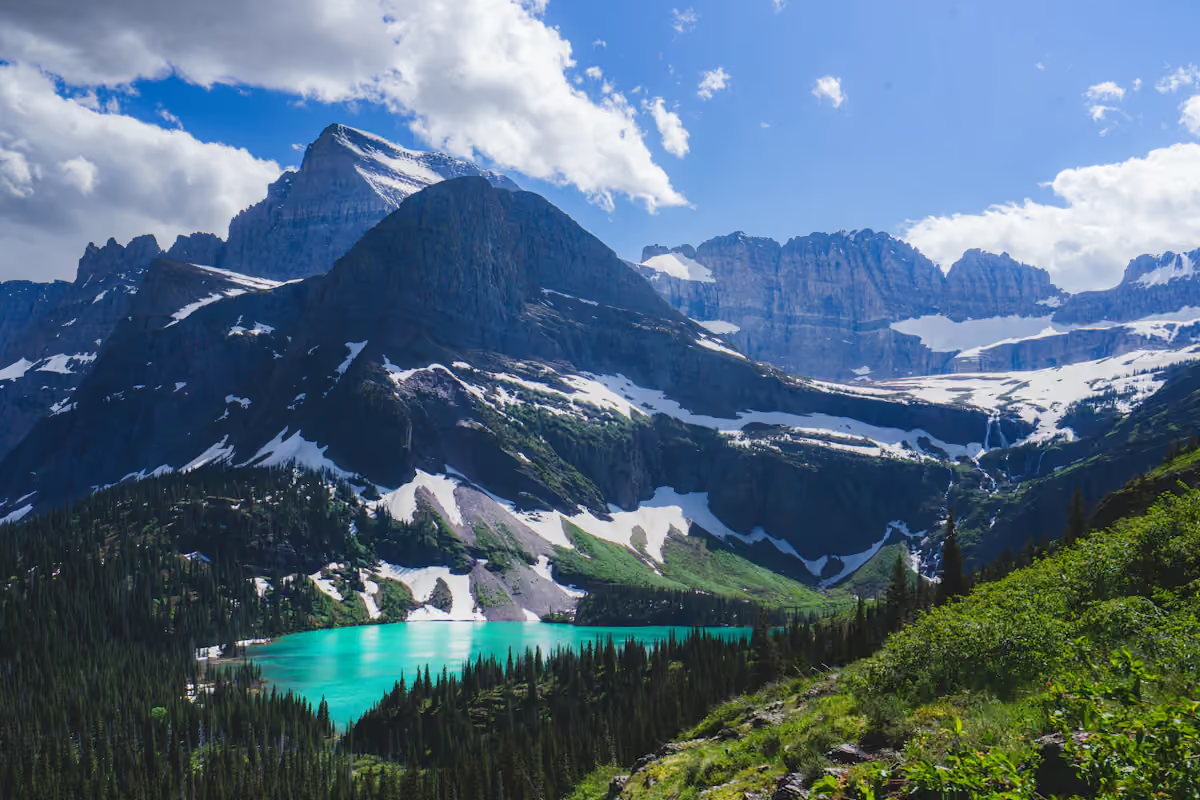
Glacier’s Going-to-the-Sun Road adds a different kind of day, with mountain views and stops including Jackson Glacier Overlook. Its alpine section has no fixed opening date: snowfall and plowing determine when it opens, and weather can close sections again. A pass pays the entrance charge; it does not make a seasonal road available. Travelers building a trip around the full drive should leave room for a change of plans, particularly outside summer. Going-to-the-Sun Road.
Who can use the $80 pass
The Resident Annual Pass is listed for US citizens and residents. It covers the entrance fee for one private vehicle where a site charges by vehicle; the passholder must show photo identification. The pass is nontransferable and nonrefundable, and the National Park Service says lost or stolen passes cannot be replaced. One eligible passholder should therefore travel with the group and keep the pass and ID accessible at each entrance. Annual pass terms.
The $25 calculation does not apply to a nonresident buying the resident pass. The National Park Service lists a separate $250 Non-Resident Annual Pass and additional nonresident fees at all three named parks for visitors aged 16 or older unless admitted with an eligible annual pass. Some US residents may qualify for a cheaper or free pass: the agency lists a $20 annual senior pass and free passes for certain military visitors, people with permanent disabilities and fourth graders. Anyone eligible for one of those options should compare it before paying $80. Annual pass terms.
Buy the pass before paying the first entrance fee
For this comparison, the straightforward purchase is the $80 pass at a participating federal recreation site before paying separate park entrance fees. The National Park Service also lists a digital pass through Recreation.gov that can be saved to a phone and used immediately. A physical pass ordered for delivery may take up to three weeks to be processed and delivered; an order receipt cannot stand in for that physical pass at the entrance. If departure is close, buy in person or use the digital option rather than relying on mail arrival. Annual pass purchase options.
Keep the pass decision separate from the rest of the booking. The national pass covers entrance and standard day-use fees at participating federal sites, while the Park Service warns that some places require reservations. It is not a payment for lodging, camping or every activity. For this three-park example, the fee pages establish the entrance comparison; the trip still needs its own dates and access plan. Annual pass coverage, Glacier fees.
When separate fees make more sense
If the vehicle will visit only Yellowstone and Grand Teton once each, their two $35 standard fees total $70, which is $10 less than the $80 resident pass. A single park visit costs still less. Glacier’s listed vehicle fee also falls to $25 from November 1 through April 30, so the three-park $25 illustration does not use winter pricing. A resident planning fewer paid entrances, a winter visit or a free-entrance day should total the charges for the visits they will actually make before buying an annual pass. Yellowstone fees, Grand Teton fees, Glacier fees, annual pass terms.
Choose the $80 resident pass when your eligible group has three paid $35 vehicle entries planned within its valid year, as in this Yellowstone–Grand Teton–Glacier example. Choose standard passes when the visits you expect cost less, or use a cheaper pass if you qualify. The saving follows from avoiding entrance fees you would otherwise pay; it is a reason to pick the right pass for a worthwhile trip, not a reason to add a distant park to save $25. Annual pass terms.