
 By
For a domestic Delta trip, packing into a carry-on and a personal item can avoid the first checked bag fee. Delta currently lists that fee as $45 each way for a standard bag carried by a Delta Main or Delta Comfort customer without a listed fee exemption. Delta allows one carry-on and one personal item free. The saving applies only if you would otherwise pay to check a bag and can bring what you need within the cabin limits. Delta’s baggage fees and carry-on allowance set out the comparison.
What the $45 saving covers
The $45 is an avoided charge per direction, not a discount on the ticket. On an eligible round trip where the same traveler would otherwise pay for a first standard checked bag both ways, the arithmetic is $45 + $45 = $90 avoided by traveling without one. That is an illustration of Delta’s published fee, not a claim about a typical booking or a guaranteed saving for every passenger. Delta lists a separate $55 fee each way for a second standard checked bag, so packing two checked bags into one carry-on is a different calculation. Delta’s current fee table gives the amounts and scope.
This comparison is for domestic Delta Main and Delta Comfort travel without the credit card, status or military exceptions named in that table. It assumes the traveler can give up the checked bag’s larger capacity; a free cabin bag is not an equivalent container for every trip. Delta also says baggage fees can differ for tickets bought under earlier rules. If you already have a ticket, use the allowance and fee attached to that booking rather than treating the current $45 figure as a charge you necessarily face. Delta’s fee exceptions and previous-fee guidance explain those limits.
Build the trip around two cabin items
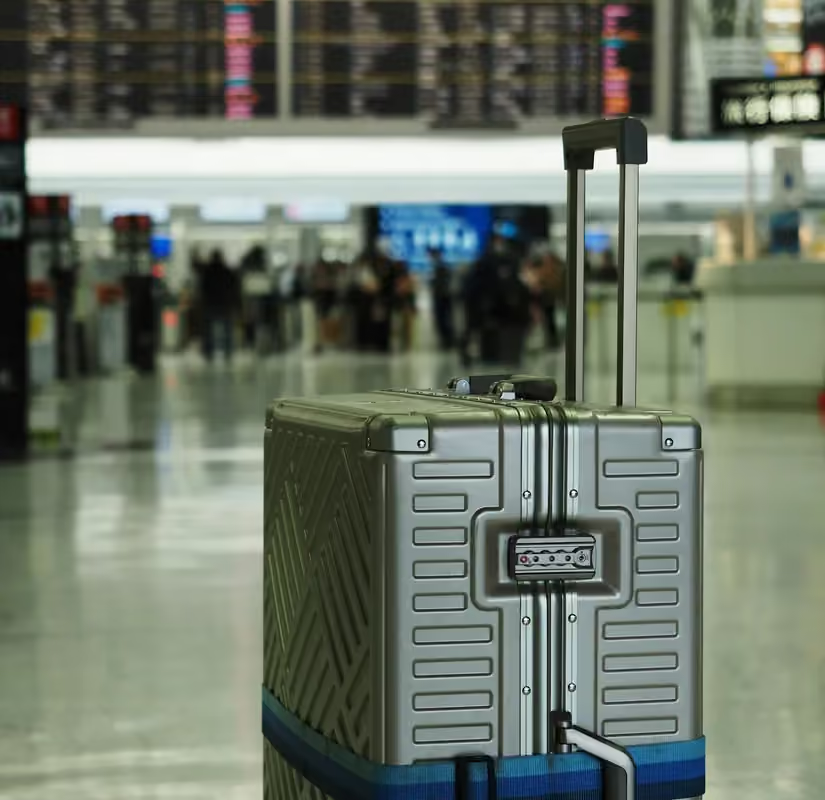
Delta permits one carry-on for the overhead bin and one personal item that fits under the seat. The carry-on must measure no more than 22 × 14 × 9 inches, including handles and wheels, and no more than 45 linear inches when its three dimensions are added. Delta names a small backpack, purse or laptop bag among possible personal items. Measure an existing suitcase before choosing clothes for it; a bag sold as a “carry-on” still has to meet Delta’s stated size limit. Delta’s carry-on rules provide the dimensions and examples.
A practical packing decision starts with what cannot easily shrink: shoes, bulky layers, equipment and full-size toiletries. Use the under-seat item for things you want during the flight, then see whether the rest fits in the overhead bag. Delta states that liquids, gels, aerosols and pastes in carry-on baggage are limited to containers of 3.4 ounces or 100 milliliters in a single quart-size clear bag. If bringing a larger liquid is essential, the checked bag may be worth its fee. Delta’s carry-on guidance describes the liquid limit.
Know when a carry-on may be checked at the gate
Packing within the published size limit does not mean an overhead-bin bag will stay with you in the cabin on every flight. Delta says an exceptionally full flight may require a bag to be checked at the gate. On Delta Connection flights with 50 seats or fewer, passengers may bring personal items aboard while larger carry-ons are tagged and placed in the cargo bin; Delta says these boarding-process gate checks can be free. Keep medication, documents and other essentials in the under-seat item so they remain accessible if the larger bag is taken. Delta’s carry-on rules explain the aircraft and space limits.
A flight operated by another airline also needs its own baggage check. Delta warns that partner carriers may set different carry-on restrictions and that allowances or fees can differ on flights they operate. Read the operating carrier shown on each segment before relying on Delta’s cabin allowance for the whole journey. Delta’s partner notice and baggage terms describe this qualification.
When paying to check a bag is the better choice
A longer trip, bulky gear or belongings that cannot travel in cabin baggage can make a checked bag the useful choice. Delta’s $45 example is for a first standard checked bag under 50 pounds; its fee table also specifies a maximum combined length, width and height of 62 inches. A bag beyond the standard limits can bring different charges, so the $45 figure should not be used as a price for oversized or overweight luggage. Delta’s baggage fees give the standard-bag limits.
Some travelers already receive a first checked bag without that charge, including eligible Delta SkyMiles American Express cardholders and Medallion members under Delta’s stated terms. For them, packing only cabin bags may still be convenient, but it does not avoid a $45 fee they would have paid. Do not acquire a card solely on the strength of this illustration; any card costs and eligibility would require a separate comparison. Delta’s baggage exceptions identify the existing benefits.
Make the choice before you leave
For an eligible domestic Delta Main or Delta Comfort trip, put your actual belongings into a measured carry-on and under-seat item. If they fit and meet the cabin rules, leave the checked bag behind and avoid the published $45 first-bag charge in each direction where it would apply. If they do not fit, budget for the checked bag and confirm the fee shown for your ticket. That choice gives the saving a clear basis without sacrificing something your trip requires. Delta’s fee table and carry-on rules support the decision.